

Cold rooms are essential for businesses that require reliable and large-scale refrigeration. From restaurants and supermarkets to food processing facilities, a well-designed cold room ensures product freshness, safety, and efficiency.
1. What is a Cold Room?
A cold room is a temperature-controlled storage space used to preserve perishable goods. It is built with insulated panels and a refrigeration system to maintain a consistent internal temperature.
Cold rooms are widely used for:
- Food storage
- Beverage storage
- Meat and seafood preservation
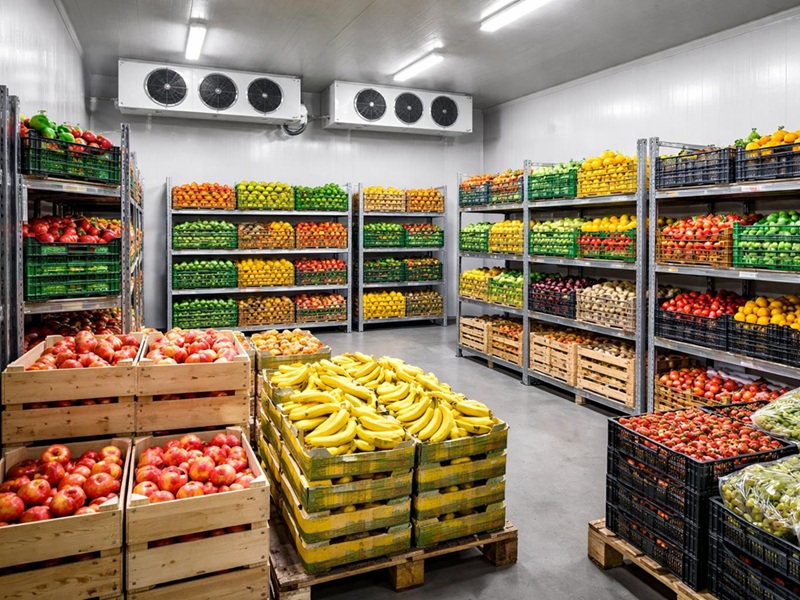
2. Types of Cold Rooms
Chiller Room (0°C to 8°C)
Suitable for:
- Fruits and vegetables
- Dairy products
- Beverages
Freezer Room (-18°C to -25°C)
Ideal for:
- Frozen food
- Meat and seafood
- Long-term storage
3. Key Components of a Cold Room
A high-quality cold room includes:
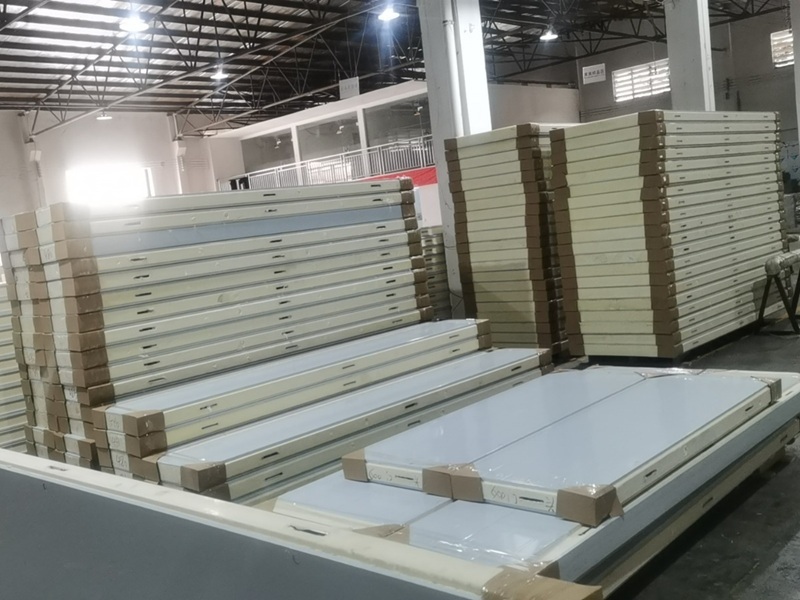
- Insulated sandwich panels
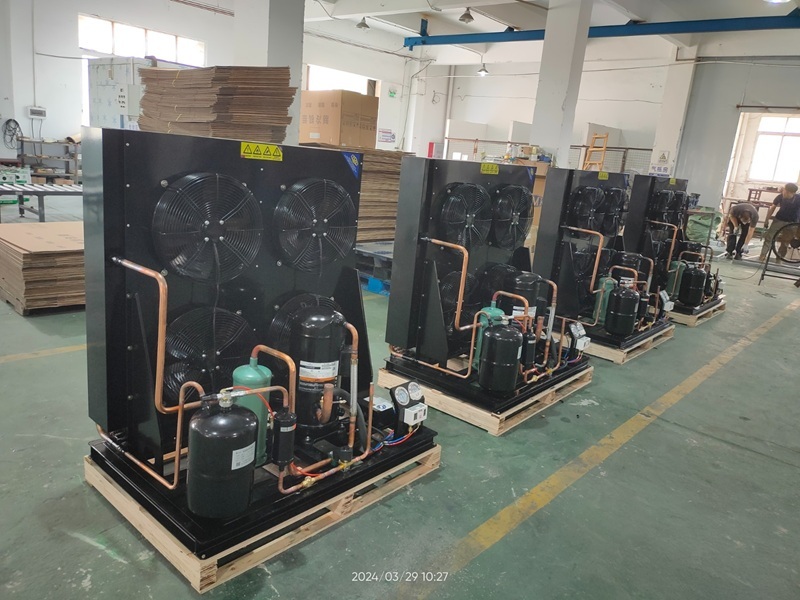
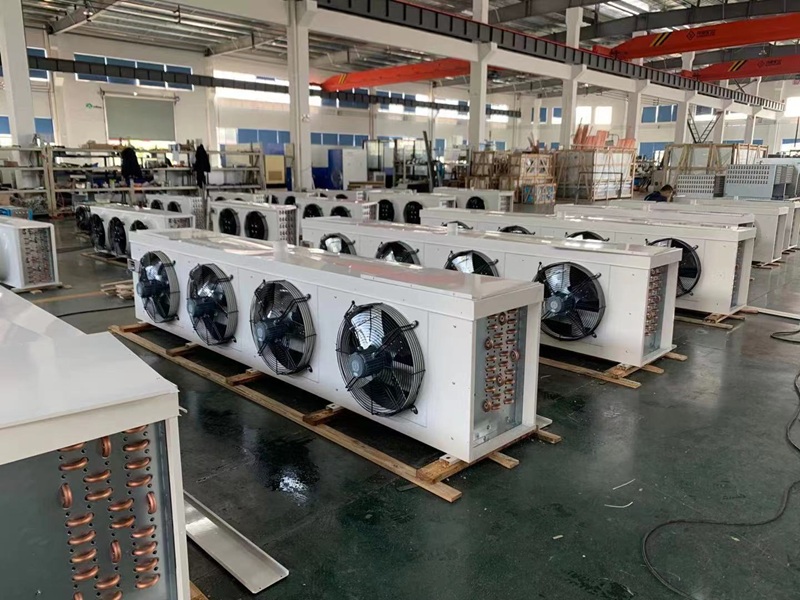
- Refrigeration unit (compressor & condenser)
- Temperature control system
- Cold room door (hinged or sliding)
4. Benefits of Installing a Cold Room
Investing in a cold room provides several advantages:
- Large storage capacity
- Better inventory management
- Improved food safety
- Energy-efficient bulk storage
Compared to standard freezers, cold rooms are more suitable for businesses with high storage demands.
5. Customization Options
Cold rooms can be fully customized based on your needs:
- Room size (small to large scale)
- Temperature range
- Voltage and power supply
- Indoor or outdoor installation
Working with an experienced manufacturer ensures your system is designed for maximum efficiency.
6. Installation & Maintenance Tips
To ensure optimal performance:
- Install in a well-ventilated area
- Check insulation regularly
- Maintain proper airflow
- Schedule routine maintenance